


How Supply Chain Hiccups Create Closeout Opportunities: A Guide to Excess Inventory Buyers and Sellers of Liquidation Items.
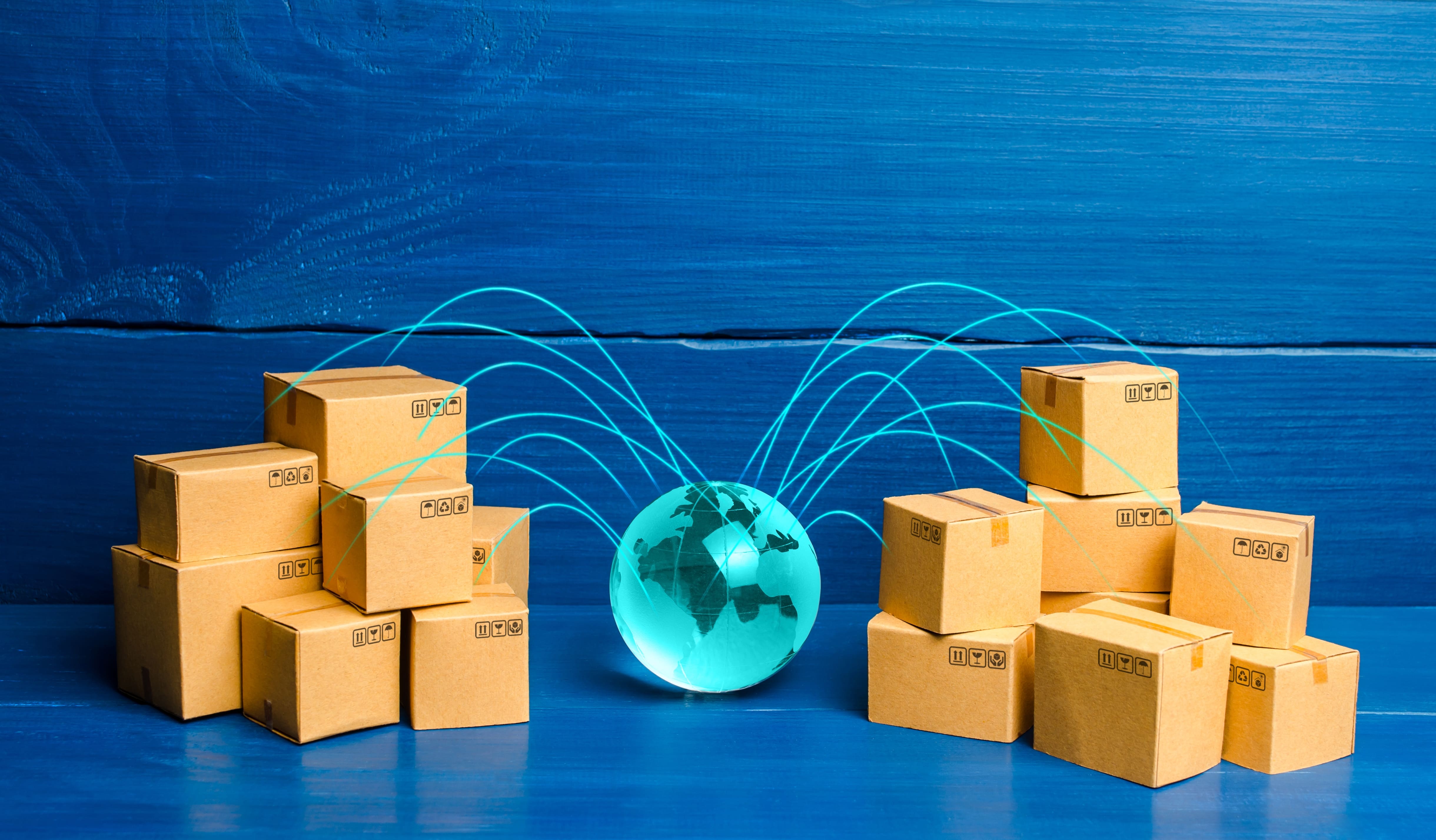
Supply chain disruptions have become a defining feature of the modern consumer goods landscape. Port congestion, shipping container shortages, raw material price spikes, factory shutdowns, and geopolitical events have all contributed to a supply chain environment that is more volatile and unpredictable than at any point in recent memory. For most businesses in the consumer goods supply chain, this volatility is a source of stress and financial pressure. But for excess inventory buyers, liquidators for bulk inventory, wholesale liquidation purchas-ers, closeout buyers and business liquidation buyers who buy inventory stranded in ware-houses around the U.S., supply chain disruptions are also a powerful generator of closeout opportunities. These situations create streams of excess inventory, stranded merchandise, closeouts, abandoned inventory and liquidation merchandise that flows into the secondary market and creates value for buyers and sellers alike.
Understanding how supply chain disruptions generate excess inventory of housewares, closeout pet products, discontinued toys and novelties and closeout art supplies, starts with the basic mechanics of how consumer goods move from manufacturer to consumer. Most of that journey is planned months in advance - purchase orders placed, production runs sched-uled, shipping containers booked, and retail allocations committed. When a disruption hits any point in that chain, the carefully planned flow of overstock merchandise gets thrown off in ways that almost always produce excess inventory, discontinued items, unwanted inventory, close-outs or distressed inventory somewhere. A factory shutdown delays a product that was sup-posed to arrive for the holiday season - and when it finally arrives months late, it competes with overstock products and closeout merchandise the retailer has already sourced from other channels. A shipping delay causes a seasonal product to arrive after its selling window has closed, converting planned retail inventory into liquidation merchandise overnight.
Port congestion is one of the most significant supply chain challenges of recent years. It is a particularly powerful generator of closeout merchandise and abandoned inventory left in the warehouse. When containers sit at port for weeks or months waiting to be unloaded, importers face a cascade of problems: demurrage charges that erode margins, delayed delivery to retail partners who have already adjusted their buying, and overstock and excess merchandise that arrives in a market that has moved on. Sellers in this situation who are looking to sell over-stock merchandise and get inventory off their hands from delayed shipments or wondering where to liquidate excess inventory that missed its retail window will find active interest from excess inventory buyers and wholesale liquidation buyers who can absorb the merchandise and redistribute it through secondary market channels. These buyers are willing to take name brand closeouts, discontinued lawn and garden items, closeout toys, closeout housewares, excess inventory of personal goods and staionery, and closeout pet products.
The bullwhip effect is a well-documented supply chain phenomenon where small demand fluctuations cause increasingly large swings in supply chain ordering. This has been particu-larly pronounced in recent years. When consumer demand surged during the pandemic era, retailers and their suppliers responded by ordering aggressively to avoid running out of inven-tory. When demand normalized, the supply chain was flooded with excess inventory, close-outs, overstock products, unwanted merchandise, closeouts and bulk inventory liquidations that had been ordered to meet peak demand projections. Business liquidation buyers, invento-ry liquidators, closeout buyers, overstock buyers and wholesale liquidation purchasers ab-sorbed enormous quantities of this excess inventory, converting it into working capital for sellers and merchandise for their downstream buyer networks. This cycle of disruption and secondary market absorption has become a recurring feature of the modern supply chain landscape.
For sellers who find themselves holding excess inventory as a result of supply chain disrup-tion, the most important thing to understand is that the closeout market is well-equipped to handle exactly this type of overstock and unwanted merchandise. Inventory liquidators, close-out buyers and excess inventory buyers have seen every kind of supply chain-driven over-stock situation. This includes tariff-driven pulls-forward to pandemic-era demand spikes to port delay merchandise. And they know how to evaluate, price, and place this abandoned merchandise efficiently. Sellers who are asking how to liquidate excess inventory from a sup-ply chain disruption, or asking who buys closeout merchandise, should engage with the most experienced wholesale liquidation buyers early, before carrying costs and further market shifts erode the value of their merchandise. If you are looking for the best closeout partners in the United States, consider an online Google search using these search terms: selling closeouts, keen to clean inventory from warehouse, who buys closeout merchandise, where to get rid of closeouts and liquidate inventory, how to offload inventory in bulk, most reliable closeout buy-ers, trusted closeout companies in U.S., downsizing warehouse, moving 3PL warehouse.
Certain categories are particularly vulnerable to supply chain disruption-driven excess inven-tory, and these categories generate some of the most active secondary market buying. Over-stock seasonal merchandise, closeout lawn and garden, discontinued holiday goods, liquidat-ing summer outdoor products, closeout pet products is especially at risk because its retail win-dow is fixed and immovable. A supply chain delay that causes seasonal merchandise to arrive even a few weeks late can convert planned retail inventory into liquidation merchandise with no primary market outlet. Overstock buyers and business liquidation buyers who specialize in overstock seasonal categories are among the most active purchasers of closeouts anddisrup-tion-driven excess inventory because they have the downstream relationships to place this liquidation merchandise in the secondary market quickly.
The practical question for sellers navigating supply chain disruption-driven excess inventory is always the same: do I hold on and hope the primary market absorbs this overstock merchan-dise, or do I move now through wholesale liquidation channels and trusted closeout buyers to recover what I can? The answer depends on how time-sensitive the merchandise is, how much carrying cost is accumulating, and how realistic the prospects for primary market absorp-tion actually are. In most supply chain disruption scenarios, the sellers who move quickly, en-gaging excess inventory buyers, closeout buyers for inventory in bulk and liquidation sale buyers early and pricing to move, end up in a significantly better financial position than those who wait to offload merchandise and clear inventory from the warehouse.
For buyers in the secondary market, supply chain disruptions represent genuine liquidation opportunity. When large quantities of quality closeout merchandise flow into the wholesale liquidation market as a result of disruption events, buyers who are well-capitalized, well-connected, and operationally ready to move fast can source exceptional overstock merchan-dise at favorable pricing. The best wholesale liquidation deals often happen in the immediate aftermath of a supply chain disruption, when sellers are most motivated and the competition among bulk liquidation buyers for the merchandise is still developing. Excess inventory buyers and closeout companies who maintain active relationships with inventory liquidators and closeout brokers are best positioned to access these opportunities quickly.
Merchandise USA has been navigating supply chain disruption-driven excess inventory situa-tions as both a buyer and a seller's partner for over 42 years. We are among the most experi-enced excess inventory buyers and trusted wholesale liquidation buyers in the US, with active buying programs across overstock housewares, discontinued pet products, closeout toys, closeout juvenile products, wholesale novelty closeouts, abandoned and unwanted seasonal merchandise, and general consumer goods closeouts. Whether you need to sell overstock merchandise from a supply chain disruption event, are looking for where to liquidate excess inventory quickly, or want to connect with business liquidation buyers who understand these complex situations, contact Merchandise USA today.

