


The Accounting Secret: How to Report Liquidation Losses for Maximum Tax Benefits.
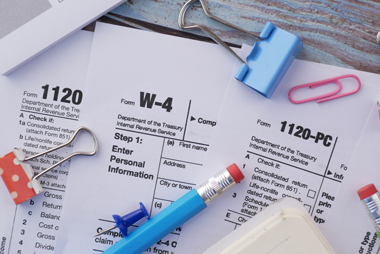
Most business owners looking to get excess inventory off their hands focus entirely on recovery value, ignoring the substantial tax benefits available when selling closeouts and offloading excess inventory at losses. Whether you’re downsizing warehouse operations, shutting down business operations, or simply keen to clear out inventory that’s not moving, understanding proper accounting treatment transforms liquidation from pure loss into a strategic tax advantage.
The Write-Down Timing Strategy:
Here’s the secret inventory liquidators won’t tell you: when you report liquidation losses matters as much as the losses themselves. If you’re selling excess merchandise at 15 cents on the dollar, you have an 85% loss. That loss can offset taxable income - but only if you time and structure it correctly. Businesses eager to liquidate inventory often make costly mistakes by taking write-downs in the wrong tax year. If you’re getting rid of discontinued products and expect next year to be more profitable than this year, delaying your liquidation until January 1st might save massive tax dollars. Conversely, if this year shows strong profits and you’re looking to make more room in your warehouse, accelerating liquidation before December 31st maximizes current-year deductions. One importer offloading bulk toys after a failed product line generated $400,000 in liquidation losses when selling closeouts to closeout buyers. His accountant timed the transaction for December, allowing him to offset that year’s $1.2 million profit. At 35% tax rates, that $400,000 loss saved $140,000 in taxes. Had he waited until January, those savings would’ve been delayed or potentially reduced if next year’s income was lower.
Inventory Valuation Methods Matter:
How you value inventory before liquidation dramatically impacts your deductible loss when looking to get inventory off your hands. Most businesses use either FIFO (First In, First Out) or Average Cost methods. When you’re offloading abandoned inventory or liquidating other closeouts, these methods produce different loss calculations for identical liquidation items for sale. Under FIFO, you’re selling your oldest inventory first. If you purchased closeout housewares five years ago at higher prices than recent purchases, FIFO generates larger deductible losses when selling excess merchandise. If you are liquidating home goods recently at lower costs due to market conditions, Average Cost might produce better tax results when you’re keen to clean out an entire warehouse. Businesses downsizing warehouse operations should consult accountants before finalizing liquidation terms with inventory liquidators. Switching valuation methods isn’t always allowed, but understanding which method you use helps structure deals with closeout buyers for optimal tax treatment.
Section 179 and Liquidation Coordination:
Here’s an advanced strategy when you’re eager to liquidate inventory: coordinate your liquidation timing with Section 179 deductions for equipment purchases. If you’re shutting down business operations partially and selling overstock pet products while buying new equipment for remaining operations, timing both transactions in the same tax year can create powerful deduction stacking. One distributor offloading inventory across multiple categories - closeout housewares, liquidating home goods, and getting rid of discontinued pet products - generated $300,000 in losses. The same year, he purchased $200,000 in new warehouse equipment for his continuing operations. Section 179 allowed immediate equipment deduction while liquidation losses offset other income. Combined deductions of $500,000 against $800,000 in profit reduced his tax burden by $175,000. This strategy works even when looking to make more room in your warehouse rather than shutting down business operations entirely. Replacing old equipment while simultaneously selling closeouts creates dual tax benefits that purely operational decisions miss.
Loss Carryforward Opportunities:
When selling excess merchandise generates losses exceeding current year income, those losses don’t disappear. Net Operating Loss (NOL) rules allow carryforward to future profitable years. Businesses keen to clear out inventory shouldn’t fear large liquidation losses if they expect future profitability. This particularly benefits companies downsizing warehouse operations while maintaining core business. You’re offloading bulk toys, closeout housewares, and other overstocked items for sale at steep losses, but your ongoing operations remain profitable. Those liquidation losses can offset next year’s profits, or the year after, or potentially years forward depending on tax law. One manufacturer looking to get excess inventory off her hands when shutting down business operations partially generated $2 million in losses from selling closeouts. Her continuing operations generated $400,000 annually in profits. Over five years, those liquidation losses completely eliminated her tax liability, saving approximately $700,000 in taxes she’d otherwise have paid.
Abandonment vs. Sale Treatment:
Here’s where accounting gets interesting: abandoned inventory receives different tax treatment than inventory sold to inventory liquidators. If you’re truly offloading abandoned inventory - products so worthless that even closeout buyers won’t purchase them - you might claim abandonment losses without actual sales.
However, the IRS scrutinizes abandonment claims heavily. You must prove the liquidation items for sale genuinely have zero value and that you made reasonable efforts to sell them. Simply claiming you’re getting rid of discontinued products without contacting inventory liquidators won’t qualify. Documentation matters - you need evidence you contacted closeout buyers who refused the merchandise. When you’re looking to get inventory off your hands through abandonment rather than sale, consult tax professionals. Most businesses eager to liquidate inventory find that selling closeouts to inventory liquidators, even at pennies on the dollar, provides cleaner tax treatment than abandonment claims.
Documentation Requirements:
Whether you’re selling overstock pet products, liquidating home goods, or offloading bulk toys and stationery, documentation determines your tax benefits. The IRS requires proof of original cost basis, liquidation sale amounts, and reasonable efforts to maximize recovery when selling excess merchandise.
Businesses keen to clean out entire warehouse operations should maintain detailed records showing:
Original purchase invoices for all overstocked items for sale, communication with multiple closeout buyers seeking competitive bids, final sale agreements with inventory liquidators, proof of physical transfer or delivery. One company downsizing warehouses lost $180,000 in tax deductions because they couldn’t prove original costs for closeout housewares they were getting rid of.
The Strategic Takeaway:
When you’re keen to clear out inventory and liquidate old inventory, look beyond recovery percentages. A 10% recovery on liquidation items for sale might generate better overall financial results than 15% recovery if tax treatment differs. Businesses offloading inventory should calculate after-tax recovery, not just gross proceeds from closeout buyers. Selling closeouts isn’t just operational necessity - it’s tax strategy. Whether shutting down business operations entirely or simply looking to get excess inventory off your hands from overstocked categories, professional tax guidance transforms liquidation losses into valuable deductions. The accounting secret isn’t hiding losses - it’s maximizing their tax benefit through proper timing, valuation, and documentation when you’re eager to liquidate inventory.
Merchandise USA is one of the largest closeout buyers specializing in helping companies control their liquidation stock by purchasing closeout toys, discontinued pet products, closeout pet beds, leashes and collars, overstock lawn and garden products and much more. We buy seasonal closeouts, name brand closeouts and anything if you are keen to clean inventory and clear out the warehouse. If you have excess inventory you need to get rid of make us your #1 closeout partner. We are one of the most reliable and trustworthy closeout and overstock buyers in the U.S.

