


What Is Overstock Inventory and Who Are the Largest Overstock Buyers? Your Guide to Offloading Closeouts and Inventory Liquidation.
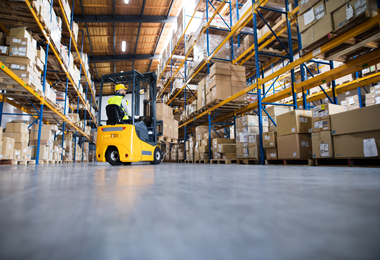
Overstock inventory is one of the most common and costly challenges in the consumer goods supply chain. Simply put, overstock inventory is merchandise that a business purchased or manufactured in quantities that exceed actual consumer demand. They are products sitting in warehouses, 3PL facilities, or fulfillment centers that are no longer moving through normal sales channels. Whether it is seasonal goods that missed their selling window, closeout merchandise from discontinued product lines, excess inventory of housewares, wholesale novelty closeouts, or any other category of consumer goods that accumulated faster than it sold, overstock inventory represents tied-up capital and mounting carrying costs for every business holding it. Understanding what overstock inventory is and knowing who the largest overstock buyers are, is the first step toward converting that stranded merchandise into working capital.
Overstock inventory, closeout merchandise and excess inventory is generated across every level of the consumer goods supply chain. Manufacturers overproduce to meet minimum run quantities. Retailers over-order to avoid stockouts during peak seasons. Importers bring in more merchandise than their retail accounts can absorb. Distributors take on inventory that seemed viable when it was ordered but has since been displaced by new products or shifting consumer demand. In every one of these scenarios, the result is the same: closeout merchandise that needs to move, wholesale closeouts that need a buyer, and a seller who is looking to offload overstock products and convert excess inventory into cash as efficiently as possible.
Understanding closeout vs liquidation is important for any seller navigating this process. A closeout typically refers to merchandise that is being sold off because it is discontinued, at end of season, or excess to requirements. The goods are perfectly saleable, just no longer needed in the seller's primary sales channel. Liquidation is a broader term that often implies a more urgent or complete sell-off, sometimes associated with business closure or financial distress. Both closeouts and liquidation involve selling merchandise at below-wholesale pricing through the secondary market, and both benefit from working with experienced closeout liquidators and wholesale closeouts buyers who understand how to place this merchandise efficiently. If you are looking online for closeout liquidators, consider using these search terms to find the largest inventory liquidators: what is overstock inventory, who buys closeout merchandise, what is the liquidation process, sell excess inventory, keen to clear inventory, where can I offload inventory, closeout liquidators, liquidation buyers, buyers for excess inventory in bulk, looking to get inventory off my hands quickly, sell closeouts and overstock.
So who are the largest overstock buyers, and how does inventory liquidation work in practice? The secondary market for closeout merchandise is a sophisticated ecosystem of professional buyers who purchase excess inventory in bulk from manufacturers, retailers, importers, and distributors and redistribute it through discount channels. These include dollar store chains, off-price retailers, flea market vendors, online resellers, and export buyers. The largest overstock buyers - the most established closeout liquidators and wholesale closeouts purchasers - have the buying capacity to absorb full truckloads or entire warehouse contents in a single transaction, the category expertise to evaluate closeout merchandise accurately, and the downstream buyer relationships to place it efficiently. Working with these buyers is almost always faster and more financially sound than trying to sell overstock inventory through piecemeal channels.
How does inventory liquidation work from a seller's perspective? The process is more straightforward than many sellers expect. You begin by preparing a product manifest or a detailed document describing your closeout merchandise, including product descriptions, quantities, condition, and original retail pricing. This gives the closeout liquidator or wholesale closeouts buyer everything they need to evaluate your lot and make an offer. The most experienced overstock buyers can evaluate a well-prepared manifest quickly and come back with a firm offer within days. Once terms are agreed, the buyer arranges freight pickup, coordinates with your warehouse or 3PL facility, and handles the logistics of removing the merchandise. Payment follows on agreed terms, and the transaction is complete.
For sellers who are downsizing warehouse space, keen to clear inventory from a warehouse, or looking to liquidate inventory in bulk on a deadline, speed of execution is often as important as the price per unit. The largest overstock buyers and most established closeout liquidators are built to move fast and they have the operational infrastructure, the freight relationships, and the buying authority to close transactions quickly. Sellers who are downsizing warehouse operations, moving to a smaller facility, or dealing with a business situation that requires rapid inventory clearance will find that working with one of the largest overstock buyers in the U.S. is far more efficient than trying to find buyers independently through closeout websites or trade events.
Wholesale novelty closeouts deserve special mention as a category that consistently attracts strong secondary market interest. Novelty merchandise including seasonal items, impulse-purchase goods, licensed products, and general fun consumer products has broad appeal across dollar store chains, flea market vendors, and online resellers. Sellers with wholesale novelty closeouts who are looking to offload overstock products quickly will find active buyers among the professional closeout liquidators and wholesale closeouts purchasers who serve these channels. The key is connecting with buyers who have specific downstream relationships in the novelty category, rather than approaching the market generically.
For sellers who are new to the process of liquidating closeout merchandise and wholesale closeouts, one of the most common questions is whether the secondary market will have appetite for their specific inventory. The answer, in almost every case, is yes provided the merchandise is in saleable condition, the pricing is realistic relative to secondary market realities, and the seller engages the right buyers. Overstock inventory in virtually every consumer category – overstock housewares, discontinued pet products, closeout toys, lawn and garden, personal care, wholesale novelty closeouts, handbags, and general merchandise- finds buyers in the secondary market every day. The largest overstock buyers have downstream relationships across every channel and can place merchandise that sellers might assume is impossible to move.
Merchandise USA has been one of the largest overstock buyers and most trusted closeout liquidators in the U.S. for over 40 years. We buy closeout merchandise, wholesale closeouts, and excess inventory across every major consumer category. If you are looking to offload overstock products, keen to clear inventory from a warehouse, need to liquidate inventory in bulk, or simply want to understand how inventory liquidation works for your specific situation, contact Merchandise USA today. We will give you a fast, fair offer and make the process as simple as possible from start to finish.

